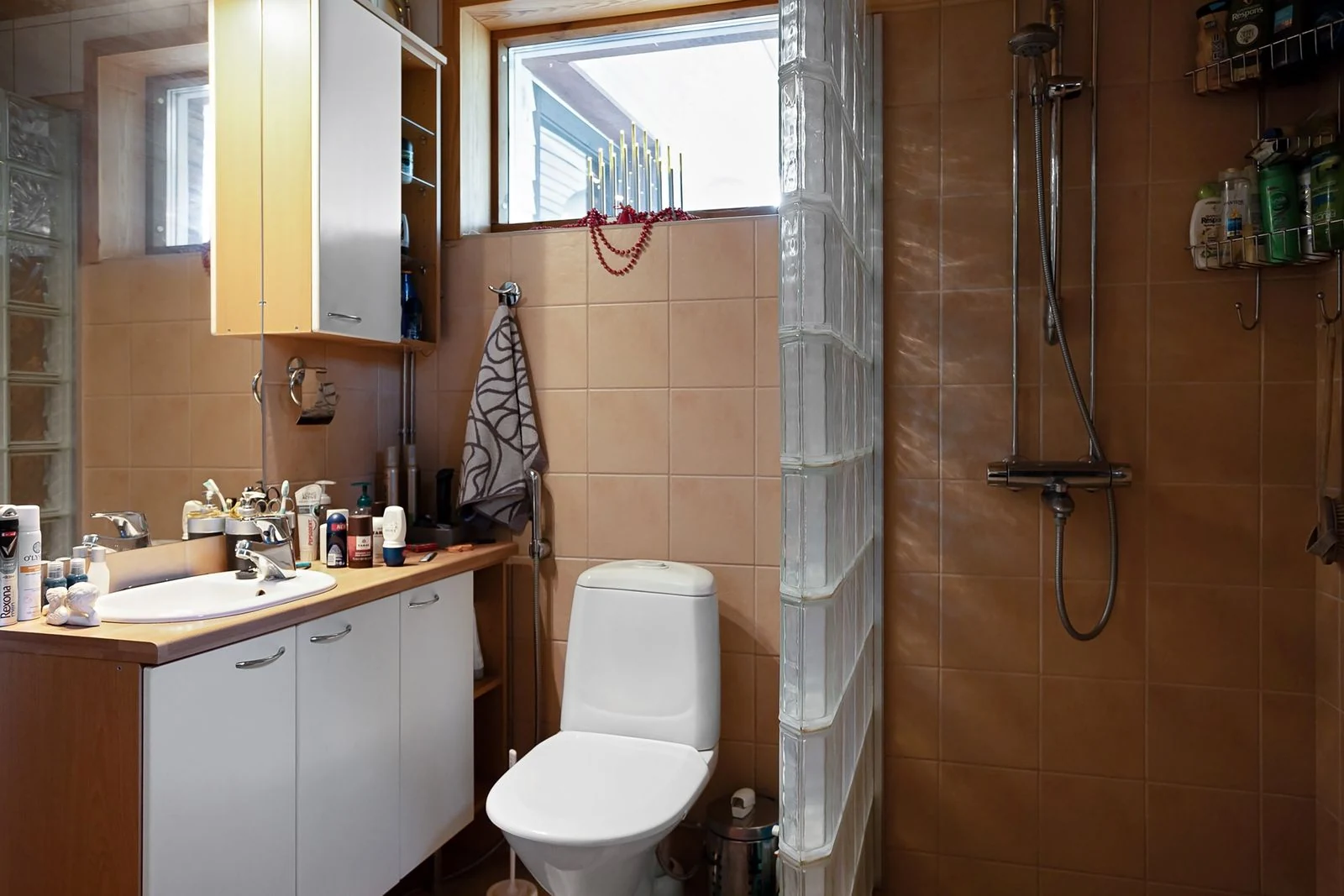
Start with the problems you already notice
Tell the fitter about slow drainage, changes in shower temperature, leaking joints, noisy pipes or a toilet that keeps running. Explain when the problem happens and which other taps or appliances are in use. Those observations help the right person investigate. They do not establish a diagnosis on their own, and a new shower or tap will not necessarily solve a problem elsewhere in the system.
Include previous repairs and any pipework you know is hidden beneath the floor or behind a wall. If you have photographs from earlier work, keep them available. You do not need to identify every fitting yourself. A useful starting point is a short list of what works well, what causes trouble and what you want to change in the new bathroom.
Check whether the water supply suits the fittings
A shower, bath filler and basin tap must be suitable for the home's water system. Ask the installer to check the requirements of the actual products you are considering, including how they perform when another outlet is running. A large shower head in a display does not tell you how it will work in your home. The fittings need to work with your water supply as well as look right.
If an improvement to the supply or system is proposed, ask what it involves, who will carry it out and whether it is included in the quote. Avoid buying a pump or other equipment before that assessment. Keep any required electrical work with an appropriately qualified electrician. The bathroom plan should explain the proposed solution in ordinary words and identify any separate work or additional cost.
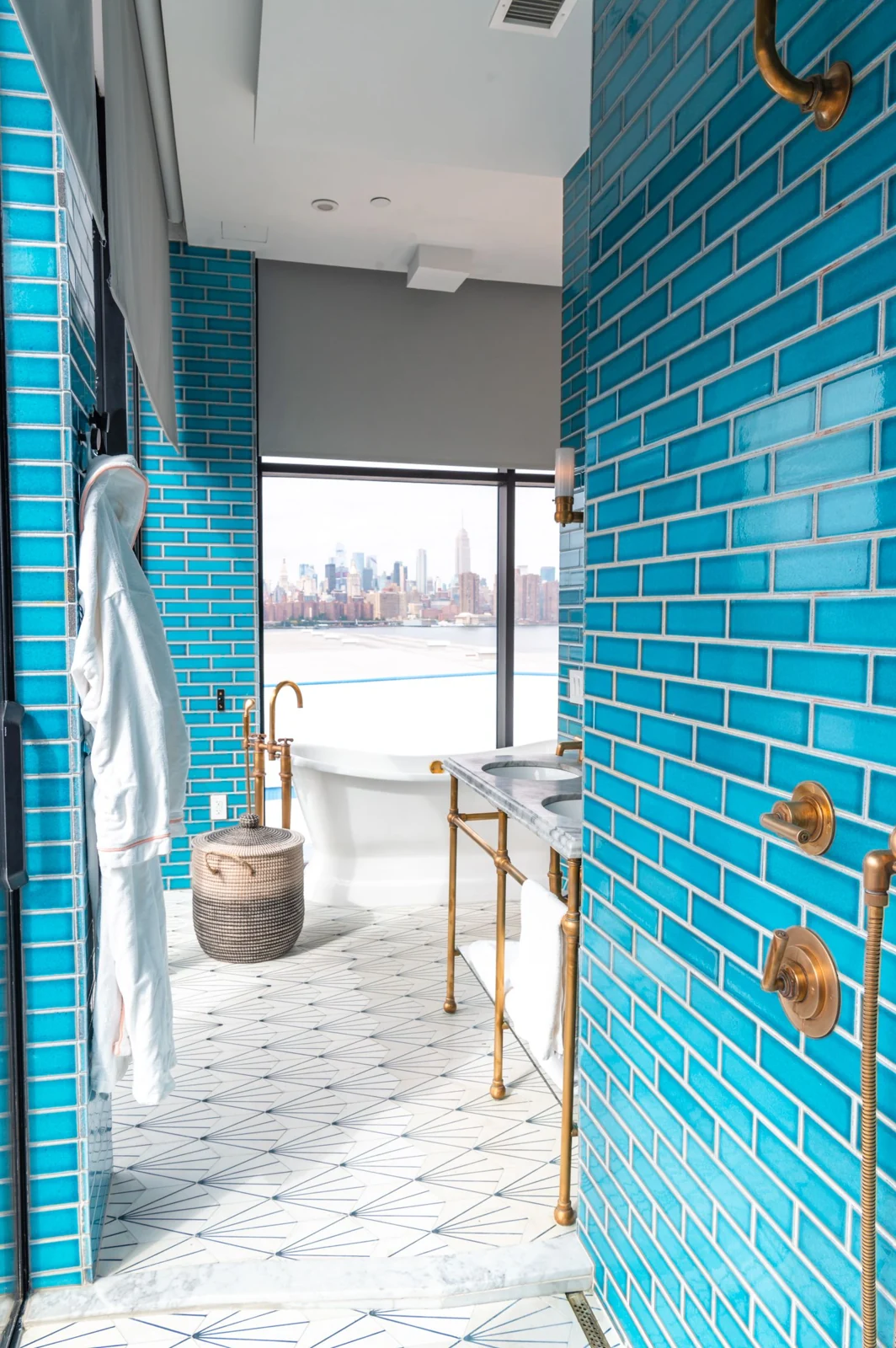
Understand which pipes need replacing
A refit gives access to some pipework that is usually hidden, but age alone does not tell you which parts can stay. Ask the fitter to explain their condition and suitability for the new layout. A pipe may need moving because the basin changes position, replacing because it is damaged, or leaving in place because it remains suitable and accessible where needed.
The quote should distinguish planned plumbing work from problems that can only be assessed after the bathroom is removed. Agree how you will be shown an unexpected issue and how its cost will be approved. Keep photographs of newly installed concealed pipes with the finished room plan. They can help a future tradesperson understand the installation without treating a photograph as proof that every part is safe.
Plan the drainage before moving the toilet or shower
The positions of existing drains can affect where new fittings will work. Moving a toilet across the room or fitting a low shower tray may involve more work than extending the visible supply pipes. Ask how waste water will leave each fitting and what access is needed below the floor or behind the wall. Have the proposed route assessed before confirming the layout.
For a low tray or wet room, ask about the finished entrance height as well as the drain position. The floor construction may limit what can be concealed. A drawing should show any raised section, boxing or access panel that will remain visible. Knowing about those details early helps you compare a simpler arrangement with a more extensive change, using realistic costs and room dimensions.
Keep useful access after the room is finished
Concealed plumbing can make a bathroom look tidy, but parts that need servicing must remain accessible as required by the installation. Ask how a concealed valve, cistern or connection will be reached. Check that a removable panel will still open once the vanity, screen or neighbouring fitting is installed. An access method that exists only on paper may be awkward to use in the finished room.
Make sure the household knows where the relevant water shut-off controls are and how to use them safely. If they are difficult to reach or their condition is uncertain, ask the plumber to address that during the work. Keep instructions for the chosen taps, shower and toilet together rather than relying on remembering product names years later when a replacement part is needed.
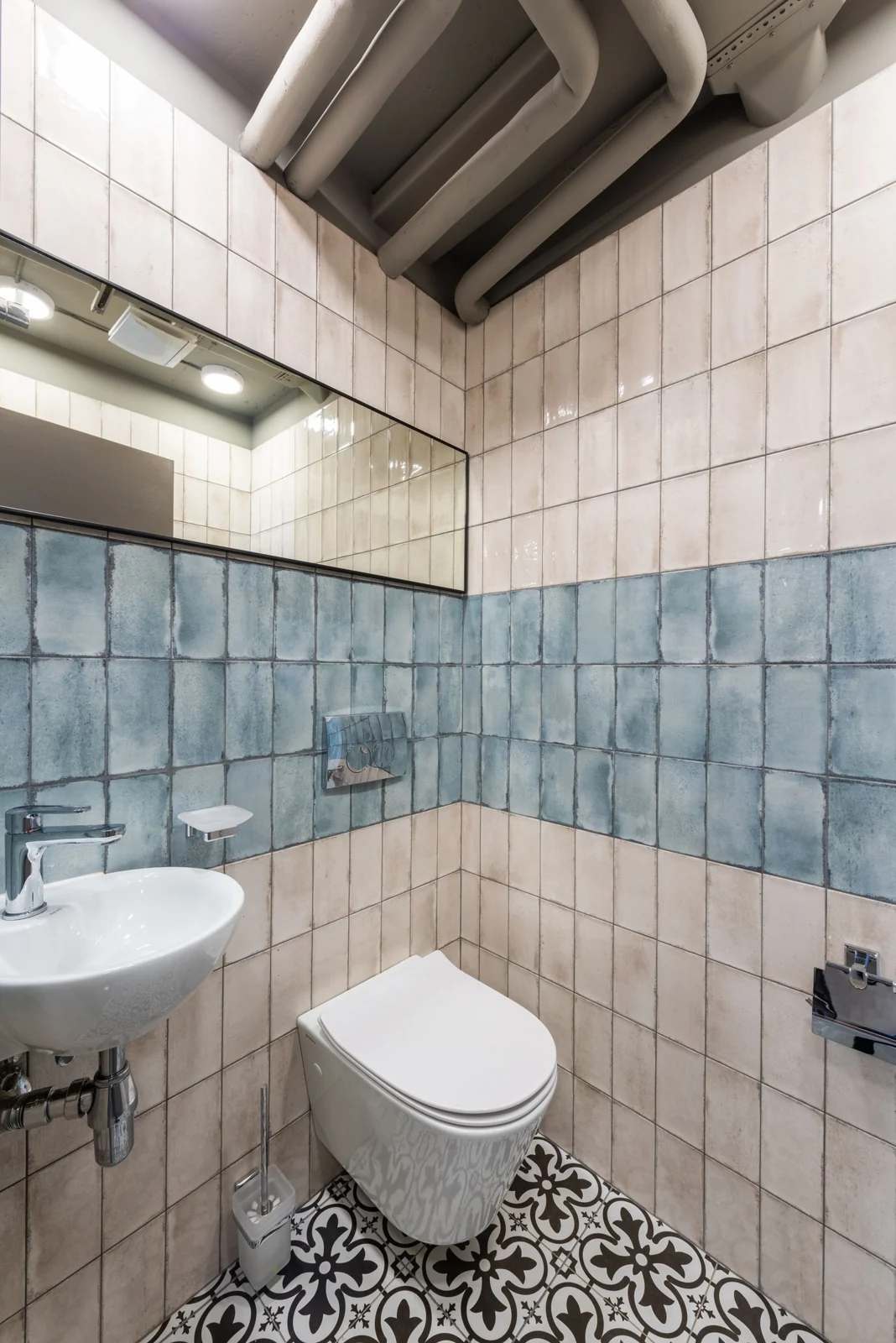
Agree checks and handover information
Ask what checks will be made before pipework is covered and after the fittings are connected. At handover, have the installer explain normal operation, maintenance and access. Report leaks, poor drainage or an unexpected change in performance promptly rather than assuming that a new installation needs time to settle. Keep the contact arrangements for any faults found after fitting with your written agreement.
The aim is reliable plumbing that suits the bathroom you actually plan to use. Review the layout, product choices and hidden work together before ordering. A clear quote should tell you what is being replaced, what remains, how disruption will be managed and how additional work will be agreed. That gives you a more useful comparison than a general promise to renew the plumbing without saying what it includes.
To see the work this involves, read about our bathroom installation in hamilton. You can also read checking an uneven bathroom floor and choosing a low shower tray.